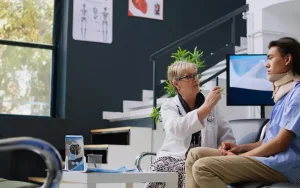
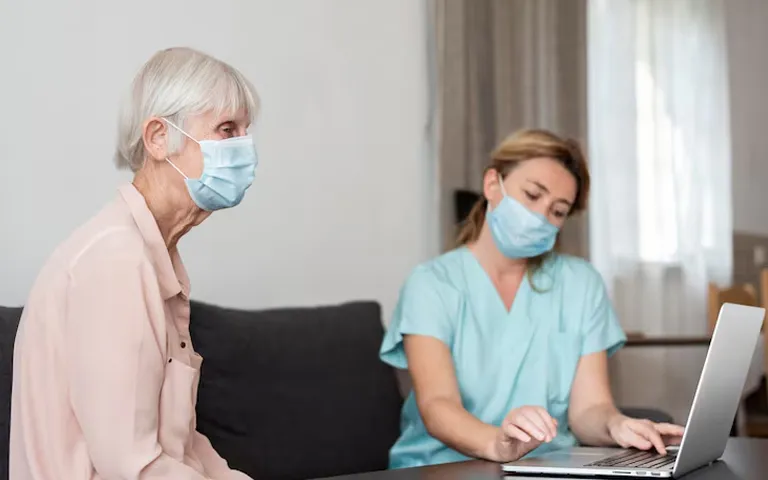
When someone you love needs help, home can feel like the right place. Still, care at home can raise a lot of questions. So it helps to know what home health care can do. It can support healing after a hospital stay. It can also help with long-term needs. Most of all, it keeps life simple and familiar. Gifted Hearts Agency provides carers & home health care, personal care services, and medical transportation. So you can get help at home and rides to appointments too. In many cases, a carer helps with bathing, meals, and safe movement. Then a nurse or therapist may visit if the doctor orders it. Now, let’s walk through eight clear benefits.
One-On-One Help Makes The Home Safer Daily
First, home care gives focused attention to your own space. So a carer can notice risks that families miss. For example, they may spot loose rugs and tangled cords. Then they can help clear paths and reduce trip hazards. They can also watch how someone stands and sits. If they see wobbling, they can step in right away. This matters because the CDC says over 14 million adults 65+ fall each year. Also, the CDC reports that about one in four older adults falls each year. So small safety fixes can make a real difference. Even better, a carer can help keep bathrooms safer, since many falls happen there. Then the home stays easier to move around in each day.
Simple safety steps to use at home:
- Next, place non-slip mats in the shower or tub.
- Also, add a night light near the bed and bathroom.
- Then, keep often-used items within easy reach.
- Finally, wear shoes with grip instead of loose slippers.
Smooth Recovery Support After Illness Or Surgery
After a hospital stay, the first weeks can feel hard. So home care helps you follow the discharge plan. Then you can heal while staying in a familiar place. A carer can help with meals, water, and safe walking. Also, they can remind you to rest at the right times. If the doctor orders skilled care, a nurse may visit too. Then the nurse can check wounds and track key signs. For example, they can watch for fever, swelling, and redness. They can also note changes in breathing and pain. So problems can get reported sooner, not later. In some cases, a therapist may visit to teach safe exercises. Then, daily practice can stay simple and steady at home.
Signs you should report fast:
- However, a wound looks more red or starts draining.
- Also, fever starts, or pain rises without a clear reason.
- Then, breathing feels harder during simple tasks.
- Still, call right away for new chest pain.
Better Medicine Habits With Simple Reminders
Medicine can get confusing, especially after new prescriptions. So home care helps you set a clear routine. In fact, research often cites that about half of patients miss long-term medicine plans. That can lead to worse symptoms and more doctor visits. So a carer can help you sort pills by day and time. Then you take them the same way each day. Also, they can help keep one updated medicine list. So you can show it at each appointment. This helps because lists often change after discharge. A carer can also watch for side effects. For example, they may notice dizziness, nausea, or sleepiness. Then you can tell the nurse or doctor quickly. As a result, the care plan stays clearer for everyone.
Easy tools that help most families:
- First, use a weekly pill box with morning and night spots.
- Next, set phone alarms for time-based doses.
- Also, keep the medicine list on the fridge.
- Then, track refills so you do not run out.
Personal Care At Home Without Losing Dignity
Many people want help, yet they still want control. So home care supports the person, not just the tasks. A carer can help with bathing, dressing, and grooming. Then the person feels cleaner and more like themselves. Also, help with toileting can reduce slips and rushed moves. Doctors often call these basic tasks “daily living tasks.” So the goal is to keep them safe and steady. A carer can also help with meals that fit diet needs. Then energy stays more stable throughout the day. They can support light cleaning too. So walkways stay clear, and floors stay dry. Because care happens at home, people keep their routines. As a result, many clients stay more active in everyday life.
Common personal care support includes:
- Also, a safe shower helps with privacy and respect.
- Then, simple grooming like hair care and shaving.
- Next, meal prep with easy-to-chew options if needed.
- Finally, laundry helps to keep clothes clean and ready.
Health Checks At Home That Help Prevent Crises
Small changes can show up before a crisis. So home care helps families catch them sooner. A carer may notice less eating or less drinking. Then they can alert the family that same day. Also, they may spot swelling in the feet or hands. That can matter for some heart or kidney issues. If skilled care is ordered, a nurse may check vital signs. For example, they can track blood pressure, pulse, and temperature. They may also check oxygen with a fingertip device. Then trends become easier to see over time. The CDC Foundation also notes that falls lead to about 3 million ER visits each year. So early action can help avoid many stressful trips. As a result, care stays calmer and more planned.
Changes that should get attention:
- However, sudden confusion shows up or gets worse.
- Also, shortness of breath starts during normal activity.
- Then, swelling grows fast over a day or two.
- Still, call right away for severe weakness or fainting.
Families Get Breaks And Better Care Routines
Caring for a loved one can feel heavy. So support should include the whole family. Home care gives family carers time to rest and work. Then they can return with more patience and focus. A trained carer can also show safer ways to help. For example, they can teach safer steps for standing and sitting. They can also show safe help during bathing. So family members protect their backs and shoulders. Also, carers can keep short notes on sleep and appetite. Then families can share clear updates with the doctor. This helps marketing-wise, too, because families value clear communication. They want dependable schedules and simple updates. So steady service builds trust over time.
Ways families often use home care visits:
- First, schedule help during work hours or school runs.
- Next, use that time for errands or rest.
- Also, ask for simple daily notes after each visit.
- Then, adjust visit times as needs change.
Reliable Rides Help You Keep Appointments Easier
Care does not stop at the front door. So rides to clinics and therapy still matter. When people miss visits, care can slow down. Then tests and follow-ups get delayed. Gifted Hearts Agency offers Medical Transportation for these needs. So you can set rides that match your care schedule. Also, ride support can reduce fall risk on travel days. Drivers can help clients get in and out safely when needed. They can also handle walkers and folding wheelchairs. Then families do not need to juggle work and driving. This is important for marketing results too. People choose providers who remove extra steps. So one trusted place for care and rides makes planning easier. As a result, clients keep more appointments and stay on track.
Rides help most for these trips:
- Next, follow-up visits right after discharge.
- Also, therapy sessions work best with steady attendance.
- Then, lab work and pharmacy pickups.
- Finally, routine checkups for chronic conditions.
Medicare Rules Make Home Care More Possible
Cost is a big question for many families. So it helps to know basic coverage rules. Medicare covers home health services for many people who qualify. It usually requires a doctor’s order and a plan of care. Also, Medicare says care must be part-time or intermittent for coverage. In most cases, that can mean up to 8 hours a day. It can also mean up to 28 hours per week. Some people may get more hours for a short time. So families should ask the doctor what fits the need. Then they can plan services with fewer surprises. Gifted Hearts Agency can also explain service options in simple terms. So you can choose what helps most right now.
Good questions to ask before starting care:
- First, what services did the doctor order for home visits?
- Next, how often should visits happen each week?
- Also, what tasks should the family handle between visits?
- Then, what rides are needed for follow-ups and therapy?
Clear Next Steps With Gifted Hearts Agency
Home health care can make life easier, safer, and more steady. So it helps to start with a simple plan. First, list the daily tasks that feel hardest. Then choose visit times that fit your routine. Gifted Hearts Agency provides carers & home health care, personal care services, and medical transportation. So you can set up care and rides in one place. Also, you can change the schedule as needs change. That keeps care practical and realistic. If you want support for a parent, spouse, or yourself, take the next step now. Call Gifted Hearts Agency today and ask for a simple care and ride plan. Then book your first visit and get help in place this week.